The best cordless brush cutters for 2026
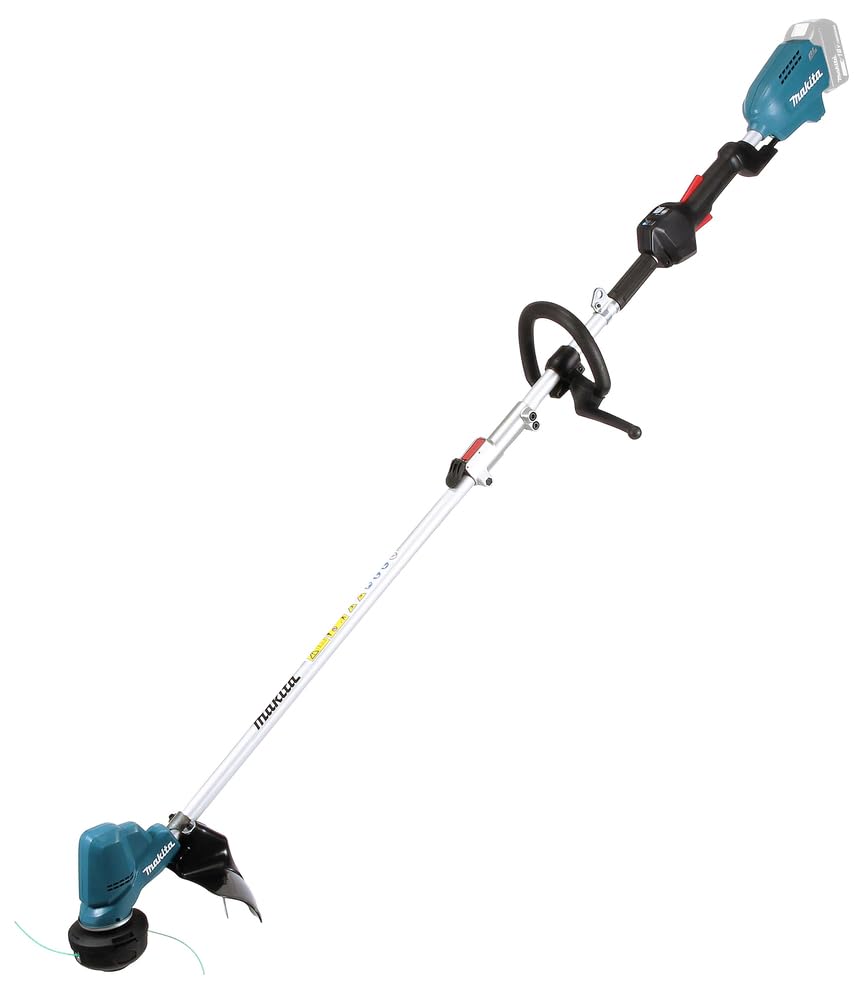
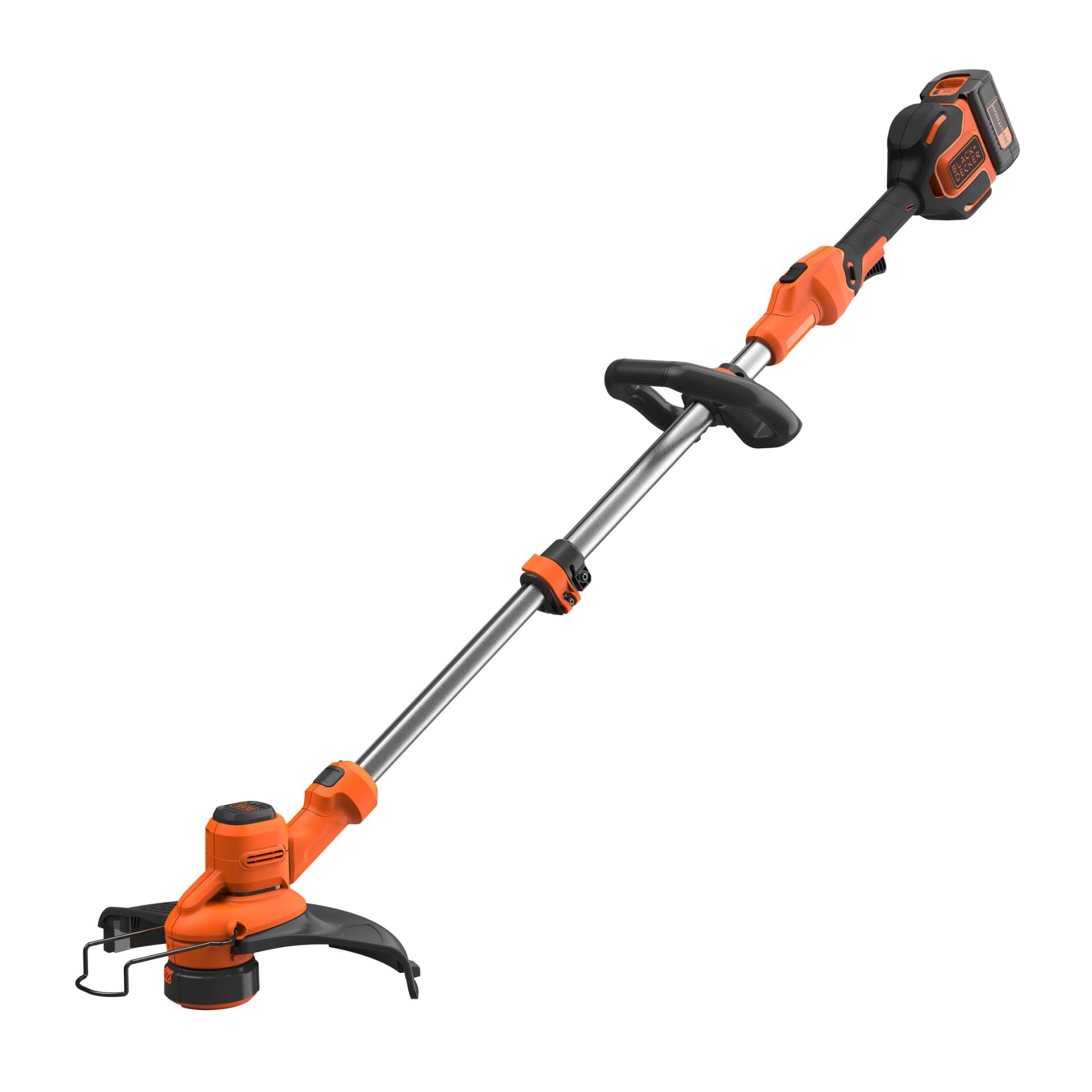
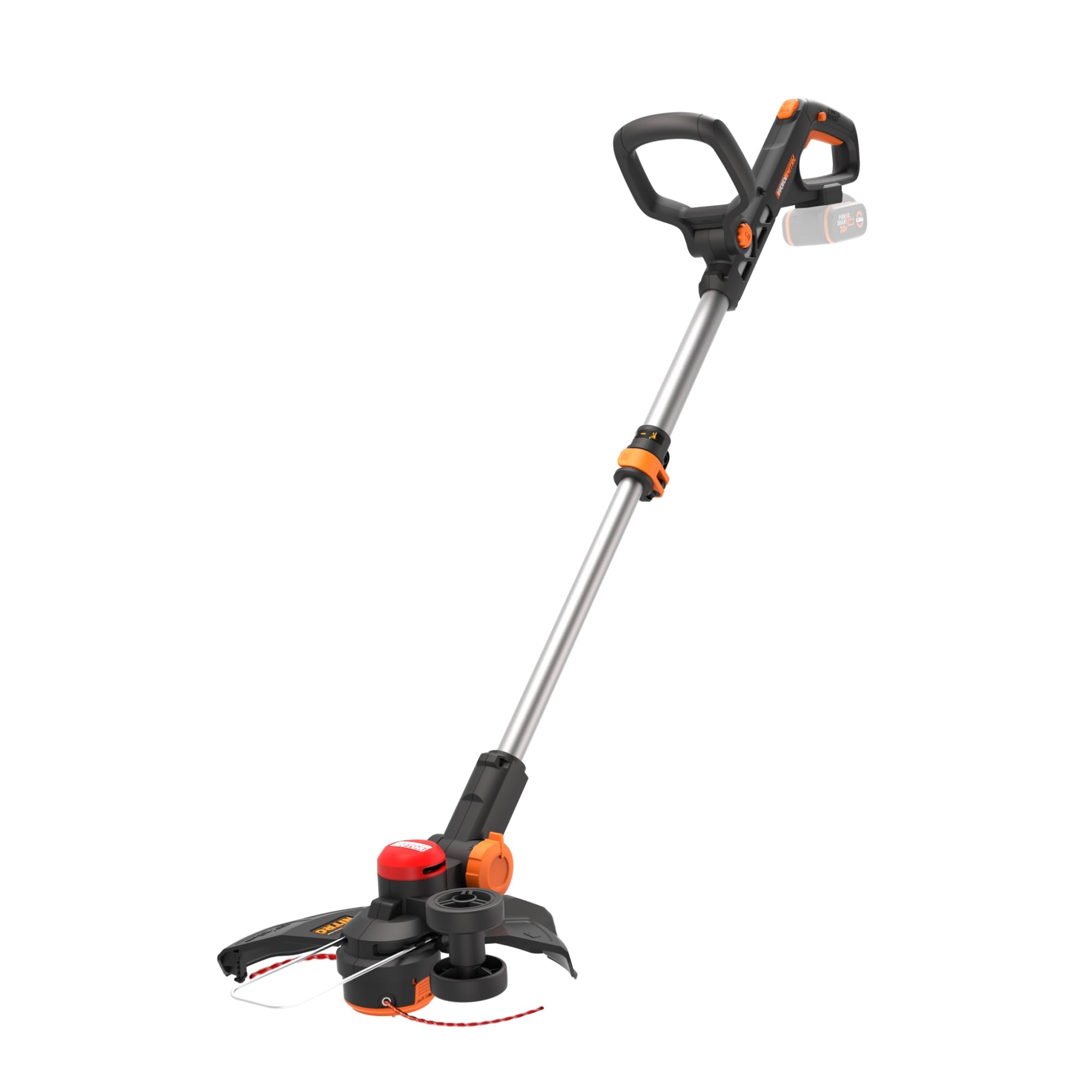
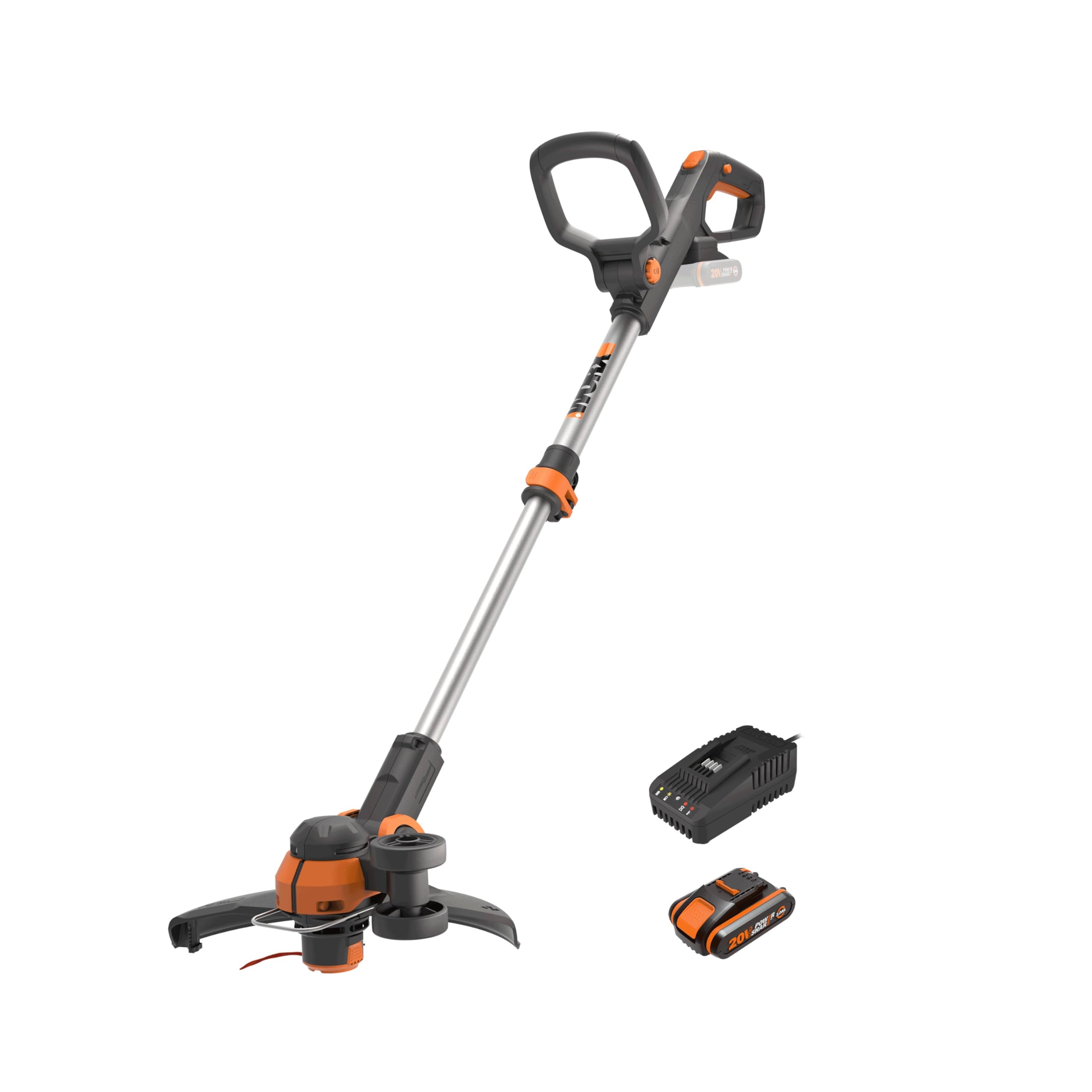
Quiet, mobile and zero engine maintenance — and now powerful enough for most homeowner land. Below are the cordless machines we recommend, from light entry models to steel-blade all-rounders, followed by a complete buying guide.
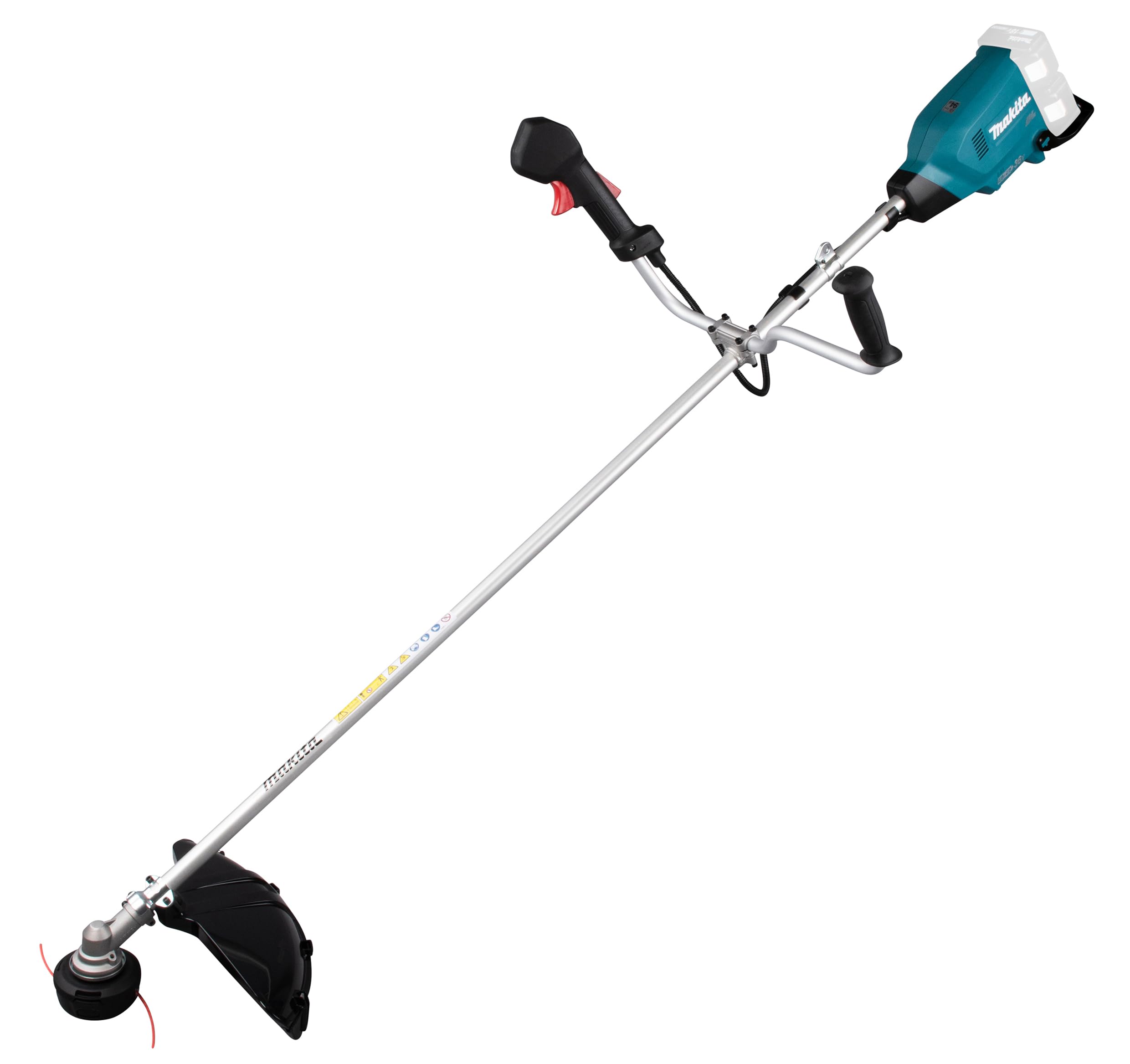
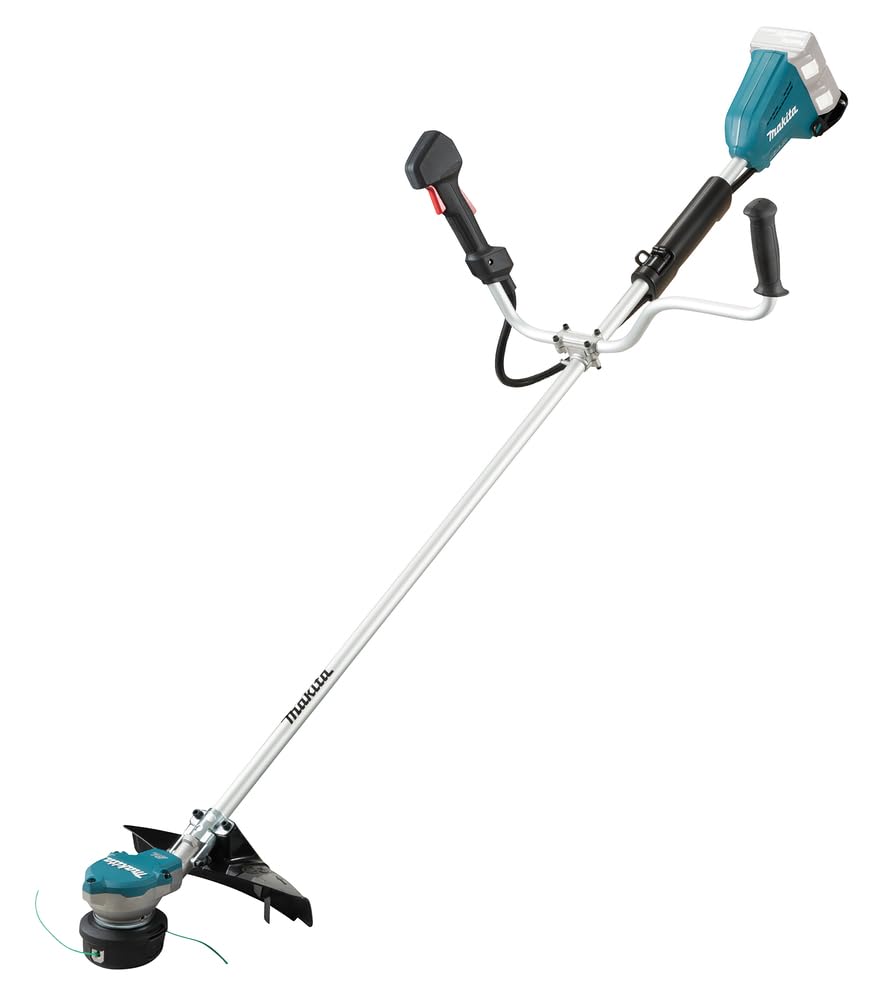

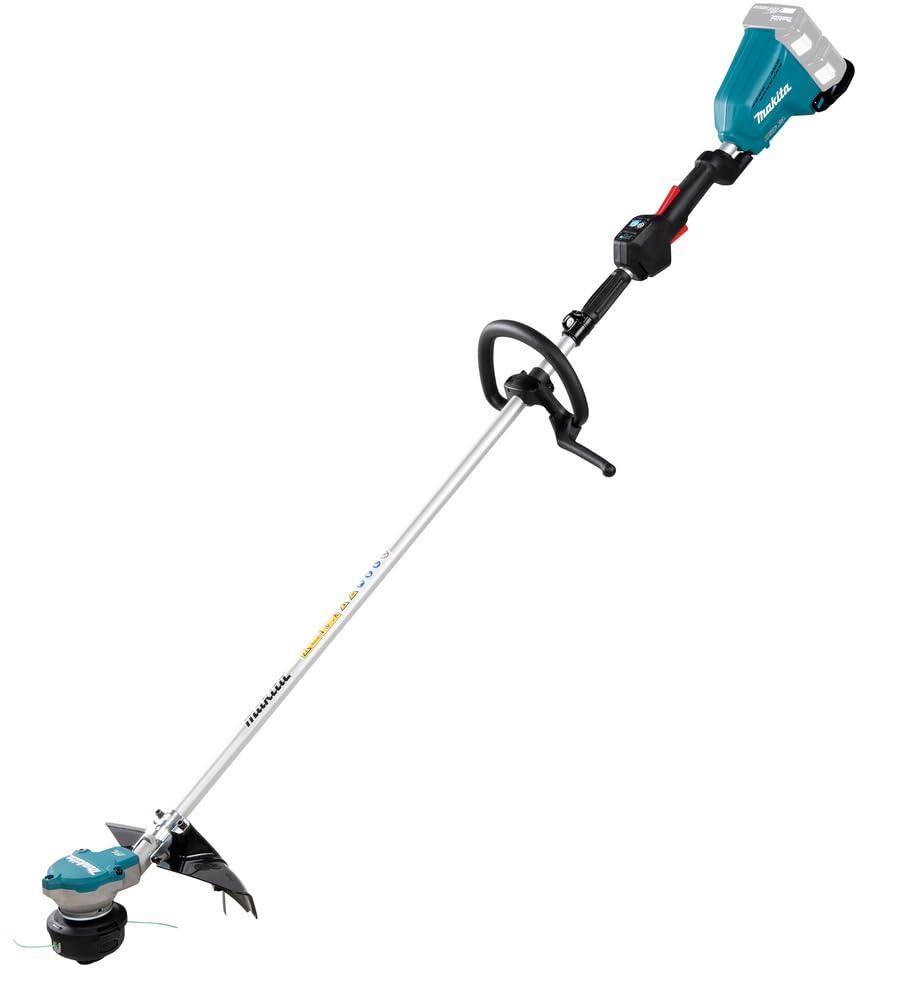


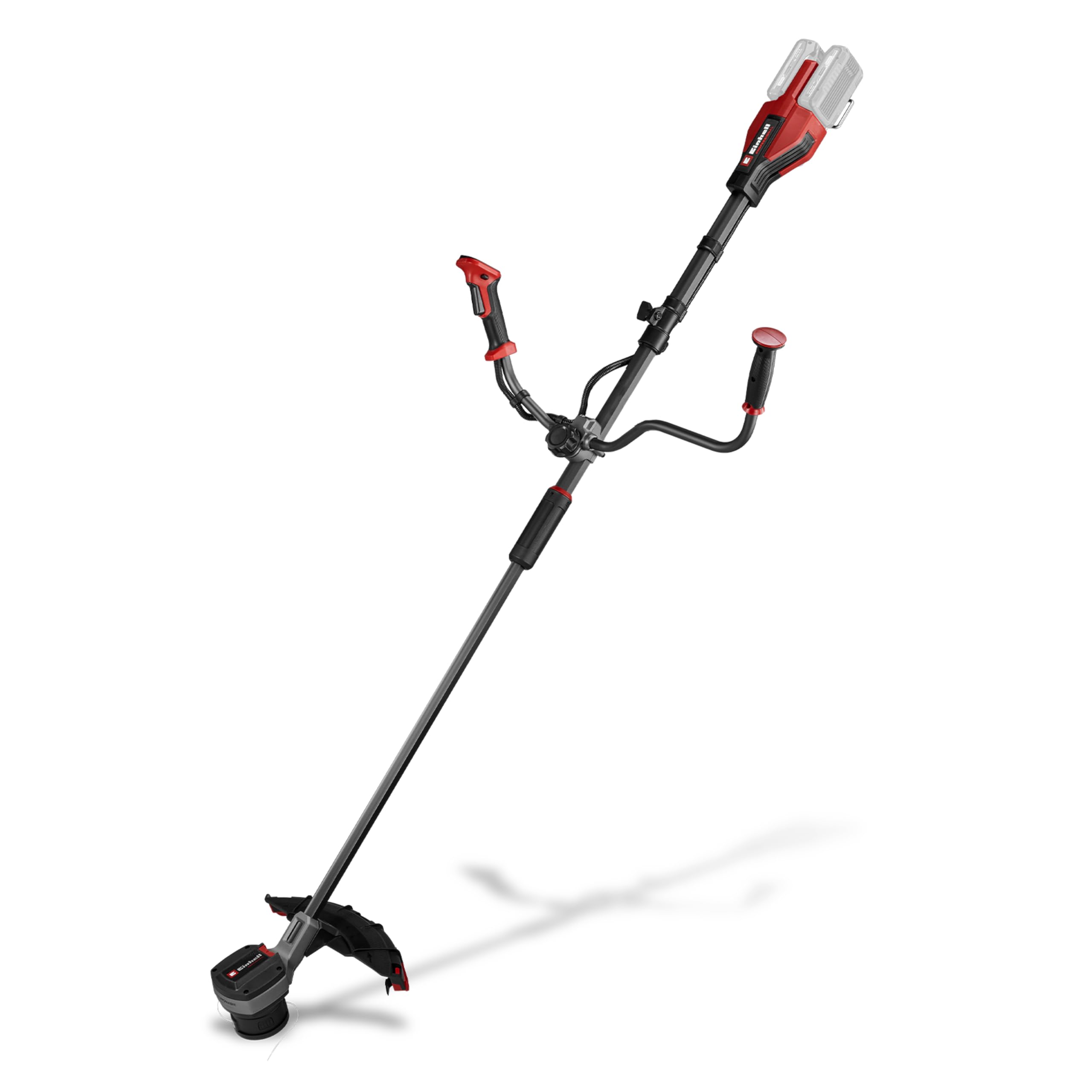





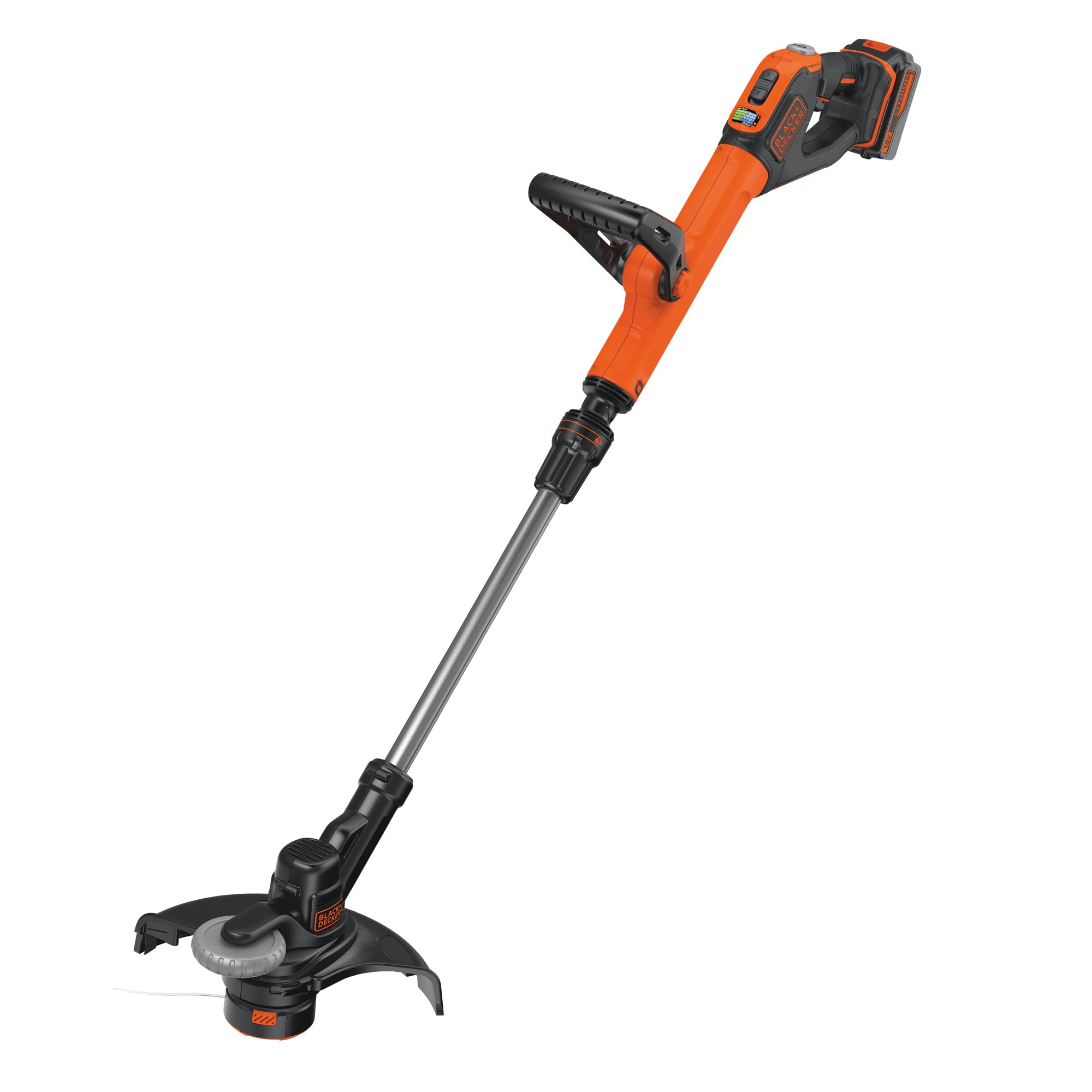

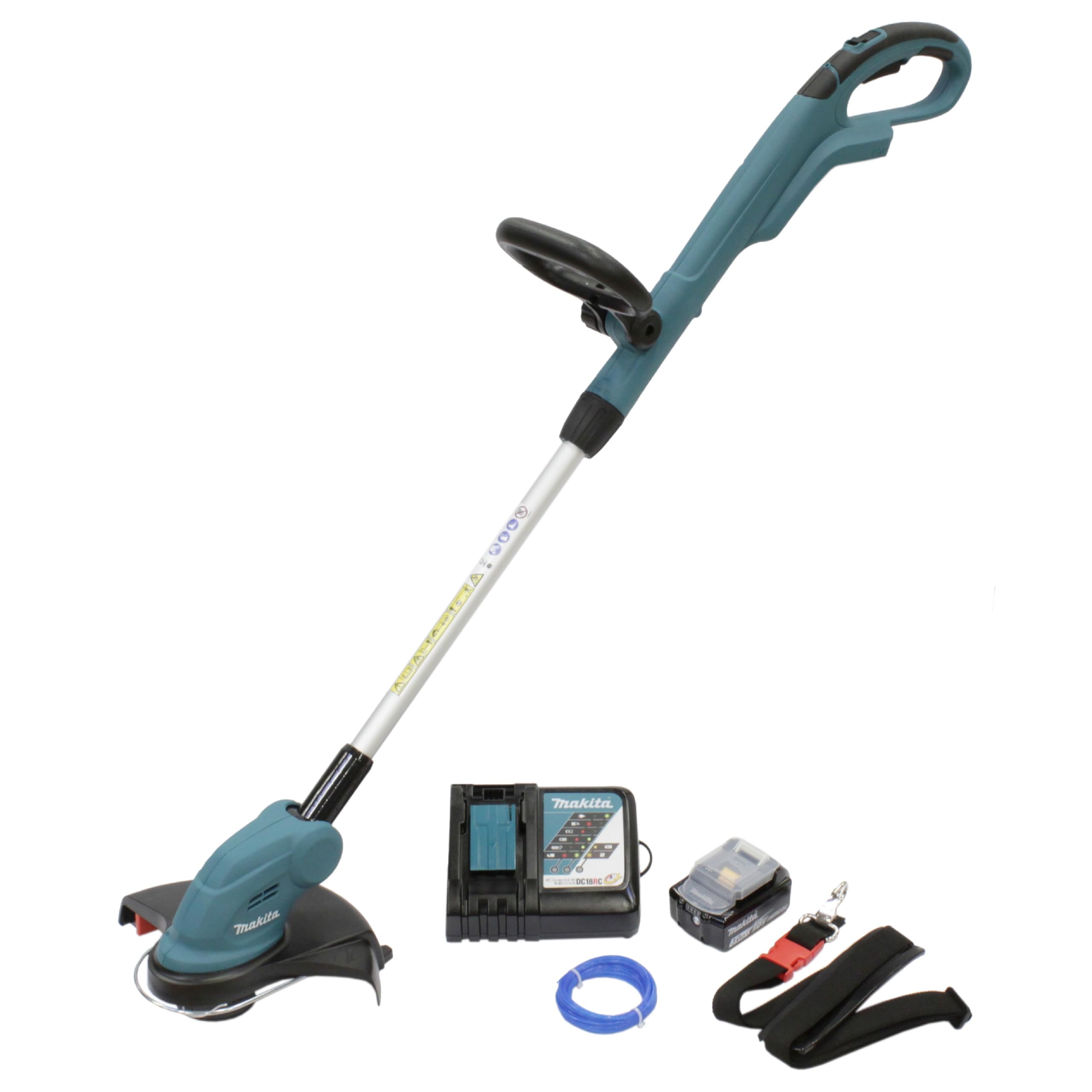
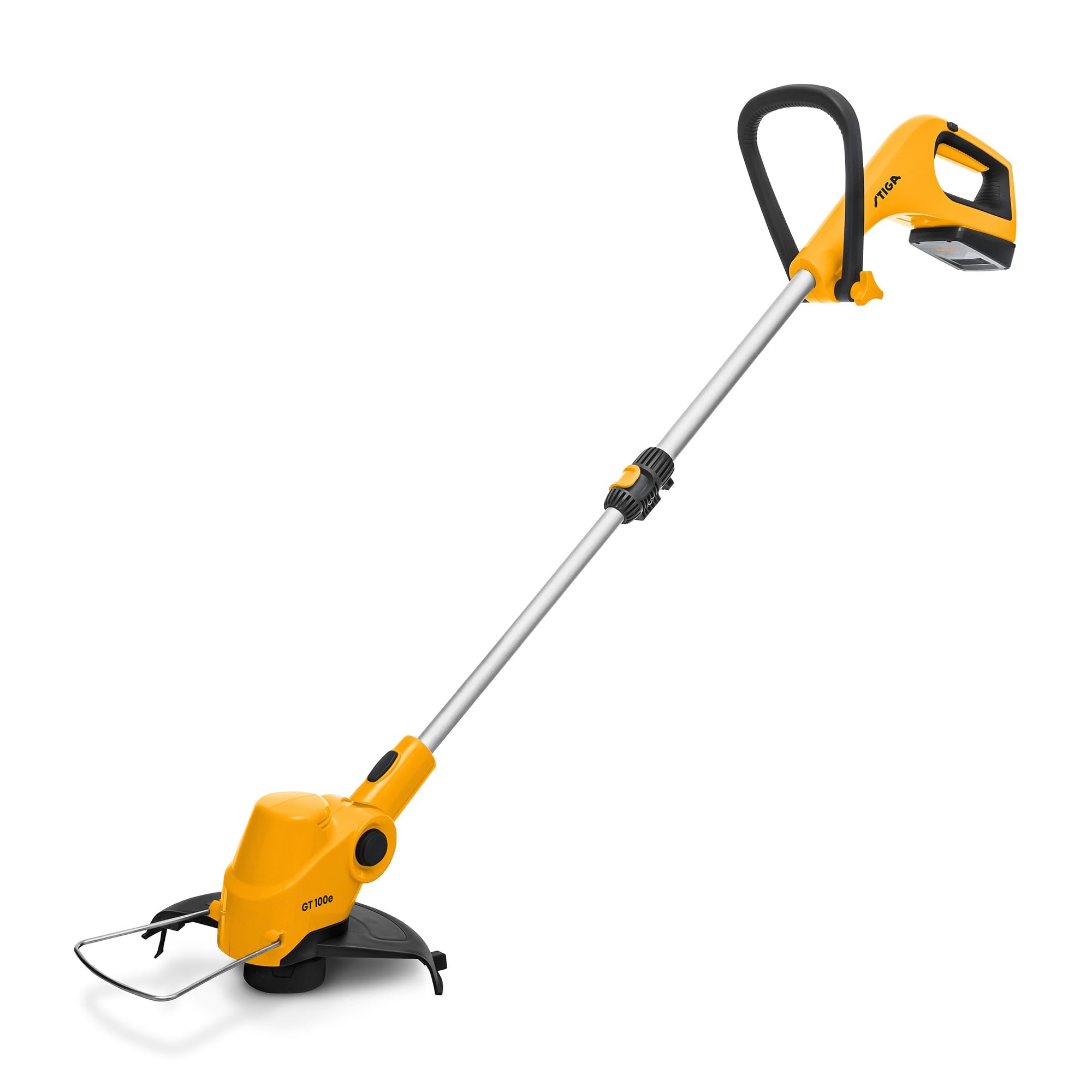
Why cordless brush cutters have taken over
Battery brush cutters have gone from underpowered novelties to the default choice for most homeowners. Modern 36V–40V brushless motors deliver enough torque for tall grass and light scrub, while staying quiet, vibration-free and instant to start. There is no fuel to mix, no engine to service, and no cord to trip over.
For anyone on a small-to-medium plot who values a quiet, grab-and-go tool — especially in a housing estate with noise-sensitive neighbours — cordless is now the sensible default. Only heavy brambles and large acreage still call for petrol.
Voltage and battery size: what actually matters
Voltage is a rough guide to power, battery capacity (Ah) to runtime:
- 18V / 20V — light grass and edging on small plots. Great as part of an existing tool platform.
- 36V / 40V — the homeowner sweet spot. Real cutting power for tall grass and light scrub.
- Pro 56V+ platforms — approach petrol performance for serious cordless users.
Capacity matters just as much: a 2 Ah pack is fine for short bursts, but for a proper session choose 4 Ah or more, or buy a spare and rotate. Cutting with a metal blade drains a battery faster than a line head.
Stay on one battery platform
The smartest money-saving move in cordless is to commit to one battery ecosystem — Bosch Power For All, Ryobi ONE+/MAX, Greenworks G40, Makita LXT, and so on. Batteries are the expensive part; sharing them across your trimmer, blower, hedge cutter and drill means you buy the tool "bare" (no battery) and save a fortune over time.
Can a battery brush cutter take a metal blade?
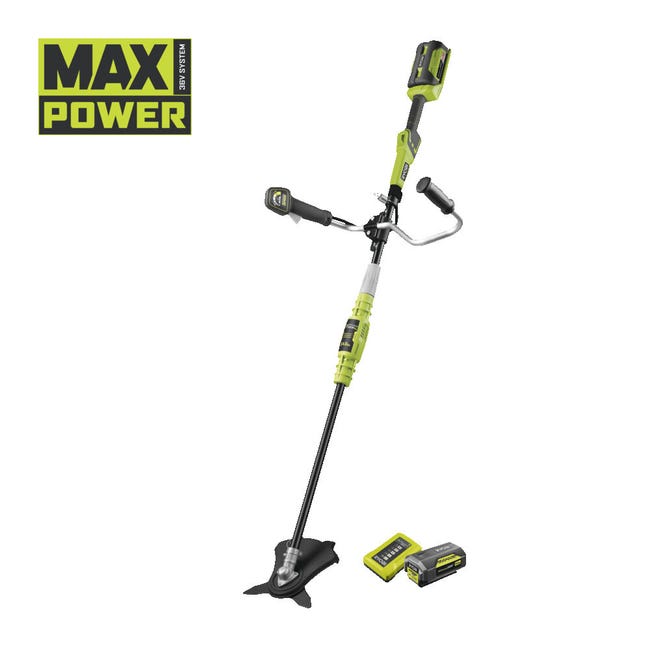
Some can, some can't — and it's the single most important spec if you have anything tougher than grass. A machine that accepts a 3-tooth steel blade, like the Ryobi RBC36X26B, will tackle light scrub; a line-only trimmer never will. If brush is on the menu, check for blade compatibility before you buy.
Runtime, chargers and real-world use
Expect roughly 20–40 minutes of cutting from a 4 Ah pack, less on heavy growth. A fast charger turns a lunch break into a full recharge, and a second battery effectively removes the runtime limit for homeowner-sized jobs. Because there's no engine to warm up or maintain, cordless machines are also the easiest to just pick up and use for ten minutes.
Frequently asked questions
Is a battery brush cutter powerful enough for brambles?
A 36V–40V machine fitted with a 3-tooth steel blade will handle light brambles and scrub. For thick, established brambles over a large area, a petrol machine is still the more capable tool.
How long does a battery brush cutter run for?
Typically 20–40 minutes on a 4 Ah battery, depending on how tough the growth is. A spare battery or a fast charger effectively removes the limit for most homeowner jobs.
Should I buy the tool with or without a battery?
If you already own tools on the same battery platform, buy the bare tool and save money. If it is your first cordless tool, buy the kit with a battery and charger included.
Are cordless brush cutters quieter than petrol?
Significantly. They produce far less noise and no fumes, which makes them ideal for gardens close to neighbours or in areas with noise restrictions.
Which battery brand is best?
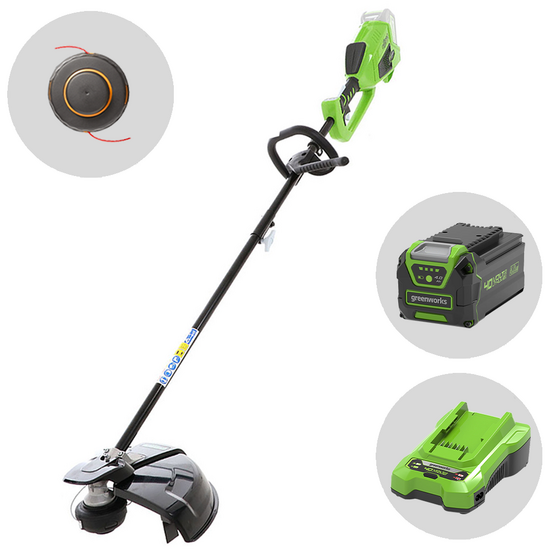
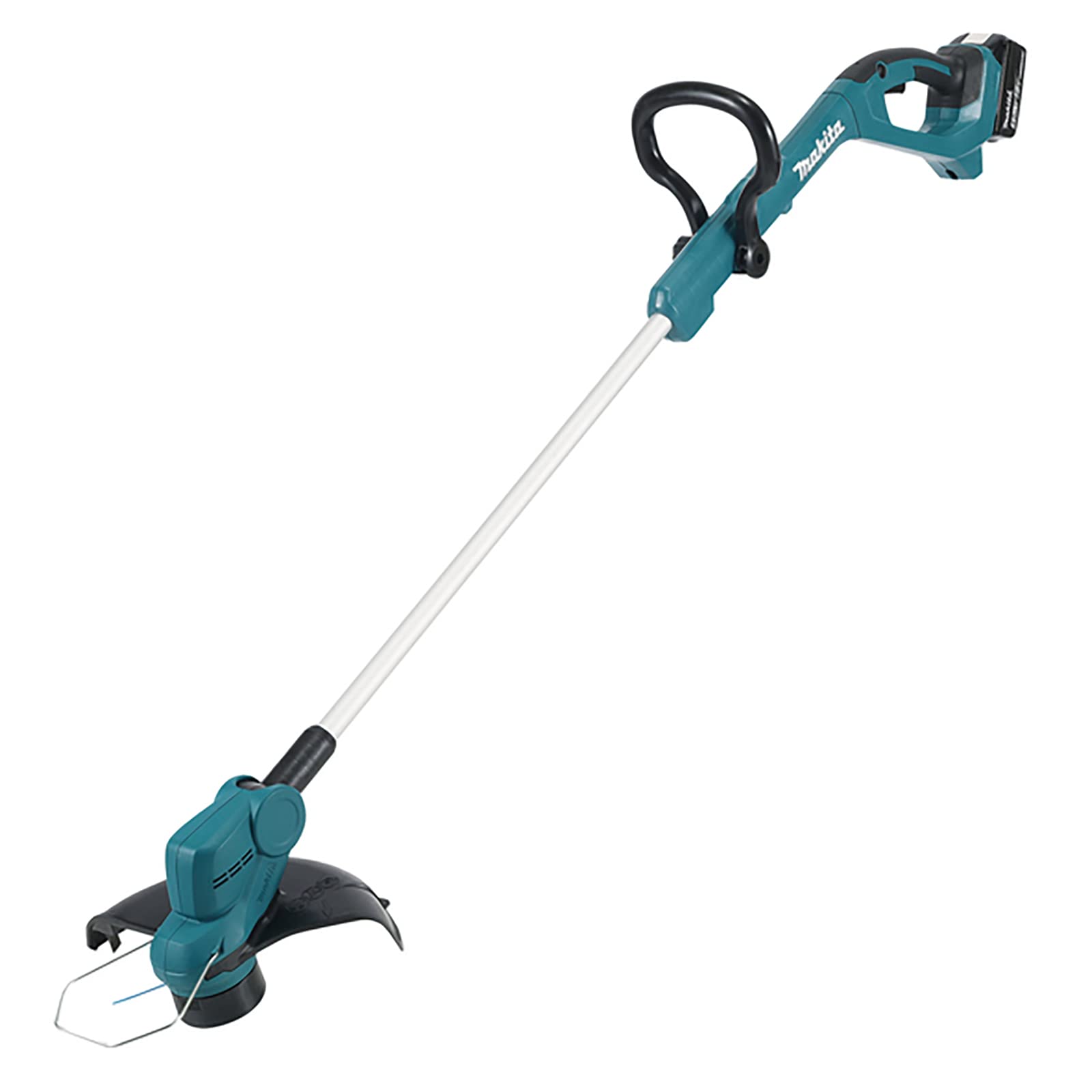
The best brand is usually the one you already own batteries for. Bosch, Ryobi, Greenworks and Makita all make strong cordless brush cutters — pick the platform you can share across the most tools.
Found your model? Buy it at the right price.
UniverTrack tracks the real price of your brush cutter across several retailers, spots fake discounts and warns you when it's genuinely the right moment to buy — with an AI assistant to guide you.