The best safety gear for brush cutting
A brush cutter throws debris and makes serious noise. The right protection is cheap, and it's non-negotiable. Here's the essential gear we'd wear — and a quick PPE checklist.

The best-value ear defenders for brush cutting — light, comfortable and certified, with SNR 27 dB that suits most petrol machines.
- AttenuationSNR 27 dB
- StandardEN 352-1
- TypePassive headband

Maximum hearing protection — SNR up to 35 dB for the loudest petrol machines and long, intensive sessions.
- AttenuationSNR up to 35 dB
- StandardEN 352
- TypeHigh-attenuation (headband or helmet)
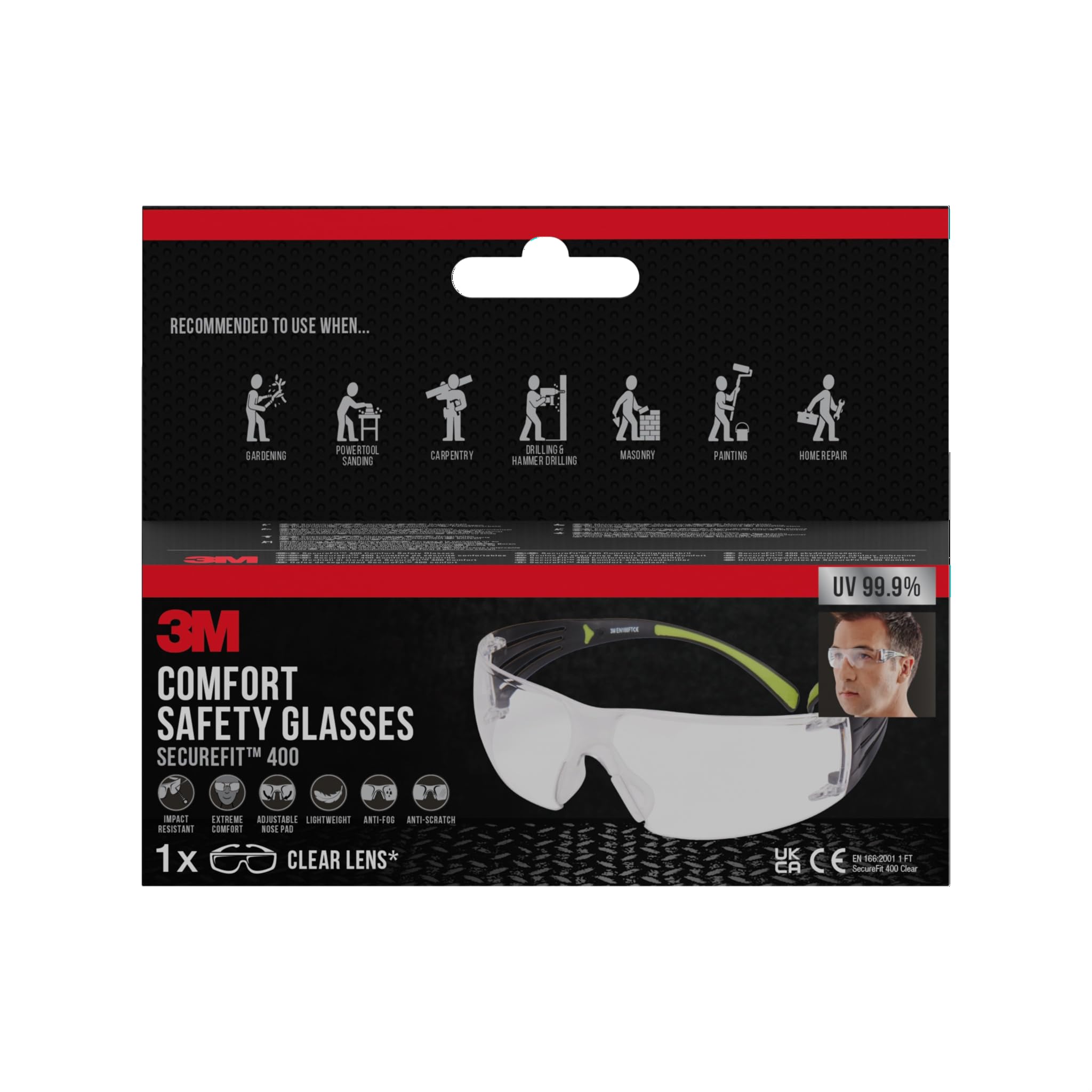
Light, anti-fog safety glasses that actually stay put — certified eye protection against thrown debris, at a very low price.
- StandardEN 166 (1F)
- CoatingAnti-fog + anti-scratch
- FitSelf-adjusting temples

Reinforced-palm work gloves with some vibration damping — grippy, protective and comfortable for brush cutting.
- StandardEN 388
- PalmFoam-reinforced for grip & damping
- UseForestry / garden work
The PPE checklist
Before you start a brush cutter, wear:
- Eye protection — certified safety glasses (EN 166), or a face shield for blade work.
- Ear defenders — SNR 27 dB or more for petrol machines (EN 352).
- Gloves — reinforced palms for grip and reduced vibration.
- Sturdy boots and long trousers — cut-resistant trousers for blade work.
Start with eyes and ears
If you buy nothing else, buy eye protection and ear defenders — they guard against the two most common and serious risks (thrown debris and hearing damage), and they cost very little. Add gloves and, for blade work, a face shield and cut-resistant trousers. See our buying guide for safe-working tips.
Frequently asked questions
What safety gear do I need for a brush cutter?
At minimum: certified eye protection (EN 166), ear defenders (EN 352), sturdy gloves and strong boots with long trousers — ideally cut-resistant for blade work. A face shield and helmet are recommended for heavy clearing.
How loud is a brush cutter?
Petrol brush cutters typically produce 95–105 dB — well above the level that damages hearing over time. Ear defenders (SNR 27 dB+) are essential; battery machines are quieter but still worth protecting against.
Do I need eye protection with a line trimmer?
Yes — even nylon line throws stones, grit and debris at high speed. Certified safety glasses (EN 166) are the single most important, cheapest piece of protection you can wear.
What about cut-resistant trousers?
For blade work, especially clearing brambles and saplings, cut-resistant trousers add valuable protection. They're strongly recommended for anyone using a metal blade regularly.
Found your model? Buy it at the right price.
UniverTrack tracks the real price of your brush cutter across several retailers, spots fake discounts and warns you when it's genuinely the right moment to buy — with an AI assistant to guide you.